
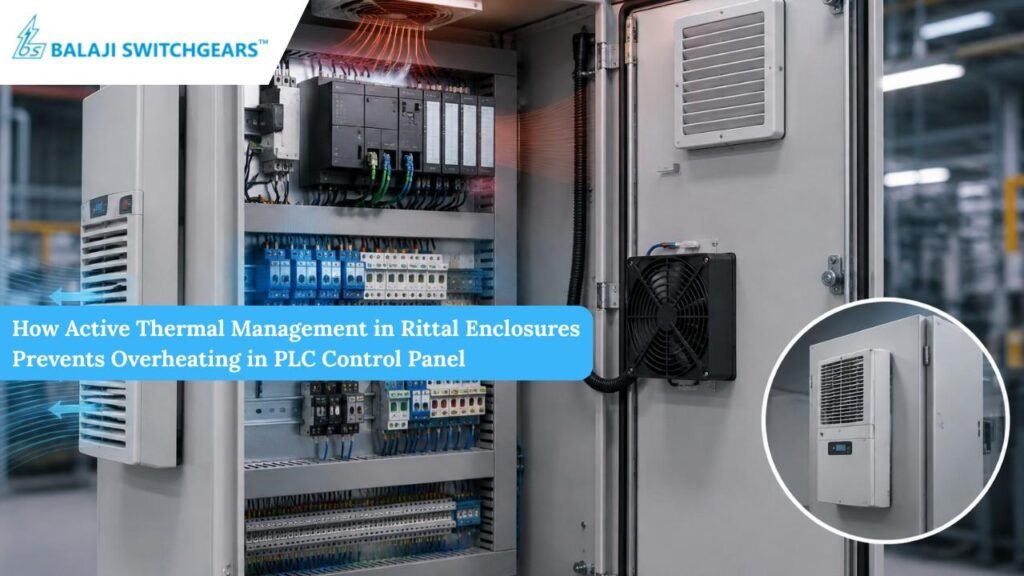
In today’s industrial environment, Programmable Logic Controller (PLC) control panels serve as the intelligence behind automated operations. They control manufacturing lines, monitor production equipment, manage process automation, and ensure seamless communication between various electrical components. Whether it is a food processing plant, pharmaceutical facility, automotive assembly line, or power distribution network, PLC control panels play a crucial role in maintaining operational efficiency.
However, the reliability of a PLC control panel depends on more than just high quality controllers, relays, power supplies, and communication devices. One factor that is often underestimated but has a significant impact on system performance is temperature management.
As electrical components operate, they naturally generate heat. If this heat is not effectively dissipated, it can lead to overheating, reduced component life, unexpected failures, and costly production downtime. This is where active thermal management in Rittal enclosures becomes essential.
Rittal, a globally recognized leader in industrial enclosures and climate control solutions, has developed advanced thermal management technologies that help maintain the ideal operating environment for PLC control panels. By actively controlling internal temperatures, these solutions ensure that sensitive automation equipment operates safely, efficiently, and reliably, even in demanding industrial conditions.
In this blog, we explore why thermal management matters, how overheating affects PLC control panels, and how Rittal’s active thermal management solutions help industries improve reliability and extend equipment life.
Why Temperature Control Is Critical in PLC Control Panels
A PLC control panel houses multiple electrical and electronic devices that work together continuously. These typically include PLC CPUs, I/O modules, power supplies, relays, contactors, communication modules, Variable Frequency Drives, Human Machine Interfaces, and industrial networking equipment.
Each of these components generates heat while operating. Individually, the heat may appear insignificant, but collectively, it can cause the internal temperature of the enclosure to rise rapidly.
Unlike mechanical systems, electronic components are highly sensitive to temperature fluctuations. Even a moderate increase in temperature can negatively affect their performance and longevity.
When temperatures exceed recommended operating limits, electrical components begin to experience stress that can eventually lead to failure.
Maintaining a stable internal environment is therefore essential for ensuring uninterrupted industrial operations.
Understanding Heat Generation Inside PLC Panels
Many people assume that electrical panels only become hot when handling heavy loads. In reality, heat generation occurs continuously whenever electrical components consume power.
Some of the primary heat generating devices inside PLC panels include:
Programmable Logic Controllers
Variable Frequency Drives
Power supplies
Industrial PCs
Communication gateways
Network switches
Servo controllers
Soft starters
Relays
Power distribution modules
The heat produced by these devices gradually accumulates inside the enclosure.
If there is no effective cooling mechanism, the internal temperature continues to increase throughout the day.
In many industrial facilities, ambient temperatures are already high due to surrounding machinery and production processes. This further increases the thermal load on the enclosure.
Without proper thermal management, overheating becomes almost inevitable.
The Hidden Risks of Overheating
Overheating affects electrical systems in several ways.
Reduced Component Lifespan
Electronic components are designed to operate within specific temperature ranges.
Excessive heat accelerates the ageing of internal components such as capacitors, semiconductors, and insulation materials.
A commonly accepted engineering principle states that for many electronic components, every ten degree Celsius increase above the recommended operating temperature can significantly reduce their expected lifespan.
This means equipment may require replacement years earlier than anticipated.
Unexpected Downtime
When components overheat, they may malfunction or shut down unexpectedly.
In automated manufacturing facilities, even a short interruption can stop an entire production line.
Downtime often results in:
Production losses
Delayed deliveries
Increased maintenance costs
Reduced productivity
Lost revenue
Preventing overheating is therefore critical for maintaining operational continuity.
Reduced PLC Performance
High temperatures can affect processor performance and communication reliability.
Sensitive electronics may begin producing incorrect signals or experience communication errors.
This can disrupt automation processes and reduce production quality.
Increased Maintenance Requirements
Frequent overheating causes repeated equipment failures.
Maintenance teams must spend additional time replacing damaged components and troubleshooting electrical faults.
This increases labour costs and reduces equipment availability.
Safety Concerns
Excessive temperatures can create serious safety risks.
Heat damaged insulation may result in short circuits.
Electrical faults can damage equipment or increase the likelihood of fire.
Proper thermal management reduces these risks significantly.
What Is Active Thermal Management?
Active thermal management refers to the controlled regulation of enclosure temperature using engineered cooling technologies.
Unlike passive cooling methods that depend only on natural airflow, active systems continuously remove excess heat from inside the enclosure.
These systems monitor thermal conditions and maintain stable operating temperatures regardless of changing environmental conditions.
The objective is simple.
Maintain an ideal climate inside the enclosure so every electrical component operates within its recommended temperature range.
Passive Cooling Versus Active Cooling
Understanding the difference between passive and active cooling helps explain why advanced thermal management has become increasingly important.
Passive cooling relies on natural heat dissipation.
It typically includes:
Ventilation openings
Natural air circulation
Heat dissipation through enclosure surfaces
While suitable for small applications, passive cooling becomes insufficient as equipment density increases.
Modern PLC panels often contain compact, high performance electronics that generate much more heat than traditional control panels.
Active thermal management uses engineered cooling solutions that continuously remove excess heat.
This provides much greater temperature control and significantly improves reliability.
How Rittal Active Thermal Management Works
Rittal offers a complete range of enclosure climate control technologies designed specifically for industrial environments.
These systems actively regulate internal temperatures while protecting sensitive electronics from external contaminants.
Some of the most widely used solutions include:
Cooling units
Fan and filter systems
Air to air heat exchangers
Air to water heat exchangers
Temperature monitoring systems
Each solution is selected based on the application’s cooling requirements, environmental conditions, and heat load.
The objective is not simply cooling.
It is maintaining a stable internal climate regardless of external conditions.
Intelligent Cooling Units
Rittal cooling units are among the most effective solutions for PLC enclosures operating in demanding environments.
These systems remove heat from inside the enclosure without allowing contaminated external air to enter.
This is particularly important in industries where dust, oil vapours, moisture, or chemicals are present.
The cooling unit continuously circulates internal air while maintaining the desired enclosure temperature.
Sensitive electronics remain protected from both overheating and environmental contamination.
Efficient Airflow Management
Temperature control is not only about cooling capacity.
Proper airflow distribution is equally important.
Poor airflow creates hot spots inside the enclosure.
Some components receive adequate cooling while others remain exposed to excessive temperatures.
Rittal designs its cooling solutions to ensure uniform airflow throughout the enclosure.
This balanced temperature distribution improves overall equipment reliability.
Protection Against Dust and Moisture
Many industrial environments contain airborne contaminants.
Dust accumulation reduces cooling efficiency and damages sensitive electronics.
Moisture can cause corrosion and electrical failures.
Traditional ventilation methods often allow contaminants to enter the enclosure.
Rittal active thermal management minimizes this risk by maintaining enclosure protection while providing effective cooling.
This significantly improves long term equipment reliability.
Energy Efficient Cooling
Industrial facilities continuously seek opportunities to reduce energy consumption.
Modern Rittal cooling systems are designed with energy efficiency in mind.
Intelligent temperature control ensures cooling operates only when necessary.
Advanced compressor technologies further improve energy performance.
Lower energy consumption contributes to reduced operating costs while maintaining optimal enclosure conditions.
Benefits of Active Thermal Management for PLC Panels
Longer Equipment Life
Maintaining stable temperatures reduces thermal stress on electronic components.
This extends the operational life of PLCs, power supplies, communication devices, and control equipment.
Improved Operational Reliability
Stable operating temperatures reduce the likelihood of unexpected failures.
Reliable automation systems improve production consistency.
Lower Maintenance Costs
Reduced component failures mean fewer repairs and lower maintenance expenses.
Maintenance teams can focus on preventive maintenance rather than emergency repairs.
Increased Production Availability
Reliable electrical systems minimize production interruptions.
This improves overall plant productivity.
Better Protection for Sensitive Electronics
Modern PLC systems contain increasingly sophisticated electronics.
Proper thermal management ensures these devices continue operating within their specified limits.
Applications That Benefit from Rittal Thermal Management
Active thermal management is valuable across numerous industries.
Manufacturing plants
Food processing facilities
Pharmaceutical industries
Automotive production
Chemical processing plants
Water treatment facilities
Oil and gas installations
Renewable energy projects
Data centres
Infrastructure projects
Each of these environments presents unique thermal challenges that require reliable climate control.
Selecting the Right Thermal Management Solution
Choosing the appropriate cooling solution depends on several factors.
Heat generated by internal components
Ambient temperature
Enclosure size
Environmental conditions
Required enclosure protection rating
Future expansion plans
Working with experienced electrical solution providers helps ensure the correct thermal management strategy is selected.
A properly designed solution balances cooling performance, energy efficiency, maintenance requirements, and long term reliability.
The Future of Thermal Management
As Industry 4.0 continues to transform manufacturing, control panels are becoming more compact while accommodating greater computing power.
Artificial intelligence, Industrial Internet of Things devices, advanced networking equipment, and high performance automation systems generate increasing amounts of heat.
Future thermal management solutions will become even more intelligent.
Predictive monitoring
Remote diagnostics
Smart temperature analytics
Energy optimization
Digital integration
These innovations will help industries maintain reliable automation systems while reducing operational costs.
Why High Quality Enclosures Matter Alongside Thermal Management
Cooling systems alone cannot guarantee reliable performance. The enclosure itself plays an equally important role in protecting sensitive electrical equipment.
Rittal enclosures are engineered to work seamlessly with their thermal management solutions, providing excellent structural strength, effective sealing against dust and moisture, efficient cable management, and optimized airflow. This integrated approach ensures that both the enclosure and the cooling system function together to create a stable operating environment.
For facilities investing in automation and smart manufacturing, selecting the right enclosure with an appropriate thermal management solution is essential for achieving long term reliability.
Conclusion
Overheating is one of the most common yet overlooked causes of electrical failures in PLC control panels. As industrial automation systems become more advanced and component densities continue to increase, effective thermal management has become a necessity rather than an option.
Active thermal management in Rittal enclosures provides a reliable solution by maintaining stable internal temperatures, protecting sensitive electronics, reducing maintenance requirements, improving energy efficiency, and extending equipment life. By preventing excessive heat buildup, these systems help industries achieve greater operational reliability and minimise costly downtime.
For businesses seeking dependable enclosure and climate control solutions, Balaji Switchgears offers a comprehensive range of Rittal enclosures and thermal management systems designed for modern industrial applications. With expertise in industrial automation, power distribution, and electrical infrastructure, Balaji Switchgears helps customers select the right Rittal solutions to build safe, efficient, and future ready PLC control panels that deliver reliable performance even in the most demanding operating environments.