
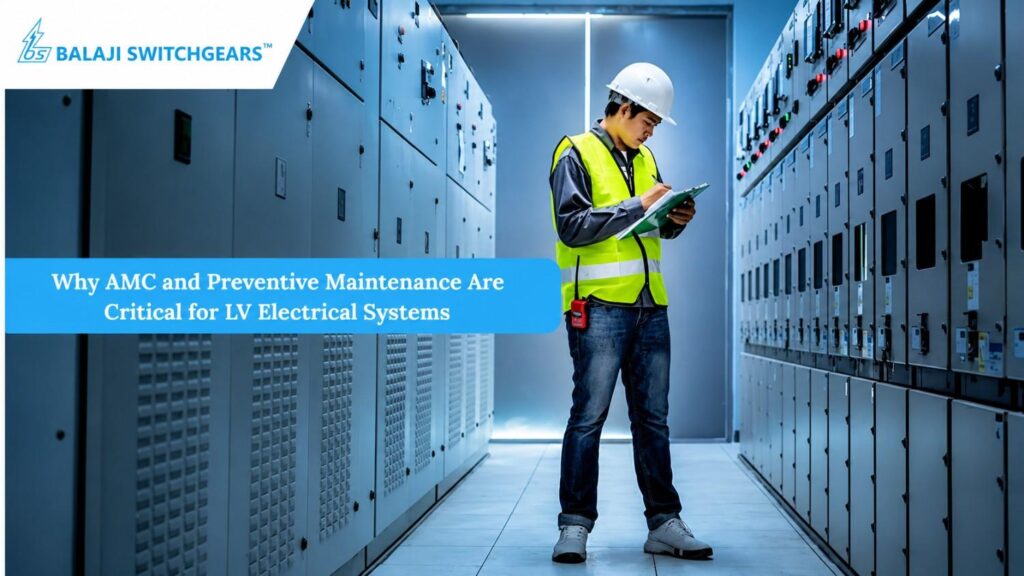
Low voltage electrical systems are the foundation of modern industrial and commercial operations. From powering machinery and lighting systems to supporting automation and control panels, these systems must operate reliably at all times. Any disruption in electrical performance can directly impact productivity, safety, and operational costs.
Despite their importance, maintenance of low voltage systems is often reactive rather than proactive. Many facilities address issues only after a failure occurs, leading to downtime, equipment damage, and increased expenses.
This is where Annual Maintenance Contracts (AMC) and preventive maintenance practices become essential. They ensure that systems are regularly inspected, maintained, and optimized to prevent failures before they occur.
Understanding the importance of AMC and preventive maintenance is key to building reliable and efficient electrical infrastructure.
Understanding AMC in Electrical Systems
An Annual Maintenance Contract is a structured agreement between a service provider and a facility for regular inspection, servicing, and maintenance of electrical systems.
Instead of relying on occasional repairs, AMC ensures that systems are checked periodically by qualified professionals. This includes inspection of switchgear, control panels, wiring, protection devices, and associated components.
The goal is to maintain system health consistently rather than reacting to breakdowns.
What Is Preventive Maintenance?
Preventive maintenance focuses on identifying potential issues before they lead to failure.
It involves routine checks, testing, cleaning, tightening of connections, thermal inspections, and performance monitoring.
Unlike corrective maintenance, which is performed after a fault occurs, preventive maintenance is planned in advance and carried out at regular intervals.
This approach reduces the likelihood of unexpected failures and improves overall system reliability.
Reducing Unexpected Downtime
One of the most critical benefits of AMC and preventive maintenance is the reduction of unplanned downtime.
Electrical failures can bring entire operations to a halt. In industries where continuous production is essential, even short interruptions can result in significant losses.
Regular maintenance helps detect early signs of wear, overheating, loose connections, or insulation issues. By addressing these problems in advance, industries can avoid sudden breakdowns.
This ensures smoother operations and better productivity.
Improving Equipment Lifespan
Electrical components such as circuit breakers, contactors, cables, and busbars are subject to continuous stress during operation.
Without proper maintenance, these components degrade faster, reducing their lifespan.
Preventive maintenance helps maintain optimal operating conditions by ensuring that components are clean, properly connected, and functioning within safe limits.
This extends the life of equipment and reduces the need for frequent replacements.
Enhancing Safety in Electrical Systems
Safety is a major concern in any electrical installation.
Faulty connections, insulation failures, and overheating components can lead to serious hazards such as short circuits, arc faults, or fire incidents.
Regular maintenance ensures that such risks are identified and addressed early.
Thermal scanning, insulation testing, and proper inspection help detect abnormalities before they become dangerous.
A well-maintained system provides a safer working environment for personnel.
Maintaining Energy Efficiency
Energy efficiency is directly linked to the condition of electrical systems.
Loose connections, overloaded circuits, and degraded components can increase energy losses.
Preventive maintenance ensures that systems operate efficiently by minimizing such losses. Proper load distribution, clean connections, and well-functioning components contribute to better energy utilization.
Over time, this leads to reduced energy costs and improved system performance.
Early Detection of Hidden Issues
Many electrical problems develop gradually and remain unnoticed until they cause failure.
Issues such as insulation degradation, corrosion, or minor overheating may not show immediate symptoms.
Preventive maintenance allows these hidden problems to be identified through regular inspections and testing.
Early detection helps in taking corrective action before the issue escalates, saving both time and cost.
Better Compliance with Standards
Industries are required to comply with safety and performance standards for electrical systems.
Regular maintenance ensures that systems remain within acceptable limits and meet regulatory requirements.
Proper documentation of maintenance activities also helps during audits and inspections.
Compliance not only avoids penalties but also improves system reliability and credibility.
Cost Savings in the Long Run
While AMC involves a planned expense, it significantly reduces unexpected costs.
Emergency repairs, equipment replacement, and downtime-related losses are often much higher than the cost of regular maintenance.
Preventive maintenance helps avoid these situations by keeping systems in good condition.
This results in better cost control and more predictable maintenance budgeting.
Improving System Reliability
Reliability is one of the most important factors in electrical systems.
Frequent breakdowns not only affect production but also create uncertainty in operations.
AMC ensures that systems are regularly monitored and maintained, reducing the chances of failure.
A reliable electrical system supports consistent performance and builds confidence in operations.
Structured and Professional Maintenance Approach
One of the key advantages of AMC is the structured approach it brings to maintenance.
Instead of random checks, maintenance activities are planned and executed systematically.
Qualified professionals follow defined procedures, ensuring that every aspect of the system is inspected and maintained properly.
This organized approach improves efficiency and ensures that no critical area is overlooked.
Adapting to Changing System Requirements
Industrial environments are dynamic, with changes in load, equipment, and operational requirements.
Regular maintenance helps adapt to these changes by evaluating system performance and identifying areas that need improvement.
This ensures that the electrical system continues to meet operational demands effectively.
Reducing Stress on Maintenance Teams
Without a proper maintenance plan, in-house teams often deal with emergency repairs and unexpected issues.
This reactive approach increases stress and workload.
AMC provides external support and structured maintenance schedules, reducing the burden on internal teams.
It allows them to focus on other critical tasks while ensuring that electrical systems are properly maintained.
Building a Proactive Maintenance Culture
Adopting AMC and preventive maintenance encourages a proactive approach to system management.
Instead of waiting for problems to occur, industries focus on preventing them.
This shift in mindset improves overall system performance and reduces operational risks.
A proactive maintenance culture leads to better planning, improved efficiency, and long-term reliability.
Conclusion
Low voltage electrical systems are essential for the smooth functioning of industrial and commercial operations, and their reliability depends heavily on proper maintenance.
Ignoring maintenance or relying only on reactive repairs can lead to frequent failures, safety risks, and increased operational costs.
Annual Maintenance Contracts and preventive maintenance practices provide a structured and effective way to maintain system health. They help reduce downtime, improve safety, enhance efficiency, and extend the lifespan of equipment.
For industries looking to ensure consistent performance and long-term reliability, adopting a proactive maintenance approach is not just beneficial, it is necessary.
With the right expertise and support from experienced partners like Balaji Switchgears, businesses can implement effective maintenance strategies that keep their electrical systems running safely, efficiently, and reliably.