
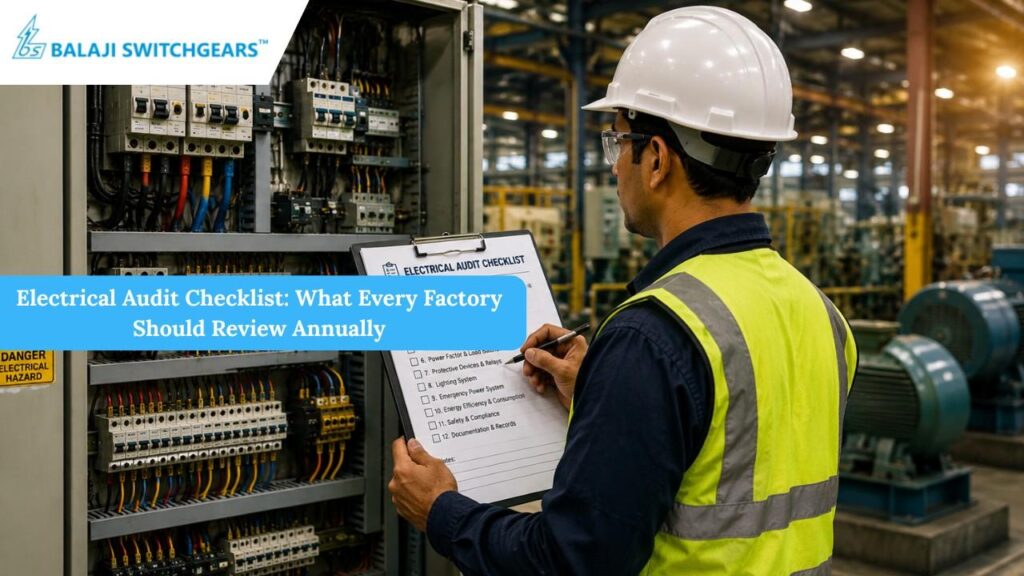
Electrical systems are the backbone of every manufacturing facility. From powering heavy machinery and production lines to supporting lighting, HVAC systems, automation equipment, and safety devices, a factory’s operations depend on a reliable and efficient electrical infrastructure. However, as equipment ages and production demands increase, electrical systems can develop hidden issues that may lead to unexpected downtime, higher energy costs, equipment damage, or even serious safety hazards.
This is where an electrical audit becomes essential. An annual electrical audit is more than just a routine inspection; it is a proactive approach to identifying potential risks, improving energy efficiency, ensuring regulatory compliance, and extending the life of electrical assets. Rather than waiting for failures to occur, factories that conduct regular electrical audits can address problems early, reducing costly disruptions and enhancing overall operational reliability.
In this blog, we’ll explore why annual electrical audits are important, what they should include, and provide a comprehensive electrical audit checklist that every factory should review every year.
What Is an Electrical Audit?
An electrical audit is a systematic evaluation of a facility’s electrical systems, equipment, and power distribution network. It helps assess the condition, performance, efficiency, and safety of electrical installations while identifying areas that require maintenance, upgrades, or corrective action.
Unlike routine maintenance, an electrical audit takes a holistic view of the facility’s electrical infrastructure. It examines not only the condition of individual components but also how the entire electrical system performs under actual operating conditions.
The primary objectives of an electrical audit include:
- Improving electrical safety
- Preventing unexpected equipment failures
- Reducing downtime
- Optimizing energy consumption
- Ensuring compliance with safety standards
- Extending equipment lifespan
- Identifying opportunities for modernization
Conducting this review annually helps factories maintain reliable operations and avoid costly surprises.
Why Every Factory Should Conduct an Annual Electrical Audit
Industrial facilities operate under demanding conditions. Heavy loads, continuous production, environmental factors, and ageing equipment can gradually affect electrical performance.
Without regular audits, small issues can grow into major failures.
An annual electrical audit helps factories:
- Detect hidden electrical faults before failures occur
- Improve worker safety
- Reduce maintenance costs
- Lower energy consumption
- Increase equipment reliability
- Support preventive maintenance planning
- Meet insurance and compliance requirements
In today’s competitive manufacturing environment, reliability is directly linked to profitability.
Annual Electrical Audit Checklist
Below are the key areas every factory should review during its yearly electrical audit.
1. Main Electrical Distribution System
The electrical distribution system is the foundation of every industrial facility.
During the audit, inspect:
- Main incoming power supply
- Distribution panels
- Main switchboards
- Busbars
- Panel enclosures
- Cable routing
- Protective devices
Look for:
- Signs of overheating
- Loose connections
- Corrosion
- Dust accumulation
- Physical damage
- Moisture ingress
Any abnormalities should be addressed immediately to prevent larger failures.
2. Circuit Breakers and Protective Devices
Circuit breakers protect equipment and personnel against overloads and short circuits.
Inspect:
- MCCBs
- MCBs
- ACBs
- RCCBs
- RCBOs
- Protective relays
Review:
- Operating condition
- Trip settings
- Mechanical operation
- Contact wear
- Signs of overheating
Protective devices should be tested periodically to verify proper operation.
3. Electrical Panels
Electrical control panels should remain clean, organized, and adequately ventilated.
Check for:
- Dust buildup
- Loose wiring
- Cable congestion
- Damaged insulation
- Missing labels
- Broken wire ducts
- Panel overheating
Proper cable management improves both safety and maintenance efficiency.
4. Cable Inspection
Cables experience mechanical stress, thermal loading, and environmental exposure over time.
Inspect:
- Power cables
- Control cables
- Instrumentation cables
- Communication cables
Review for:
- Insulation damage
- Loose terminations
- Excessive bending
- Mechanical wear
- Oil contamination
- Rodent damage
Damaged cables should be replaced promptly to avoid failures.
5. Cable Terminations
Poor electrical connections are among the leading causes of overheating.
Inspect all:
- Cable lugs
- Terminal blocks
- Junction boxes
- Busbar connections
Look for:
- Loose terminals
- Burn marks
- Oxidation
- Discoloration
- Excessive heat
Proper torque verification is recommended.
6. Earthing and Grounding System
A reliable grounding system is essential for electrical safety.
Review:
- Earth pits
- Ground conductors
- Bonding connections
- Equipment grounding
Measure:
- Earth resistance
- Continuity
A faulty grounding system increases the risk of electric shock and equipment damage.
7. Motors
Electric motors are among the most critical assets in any factory.
Inspect:
- Temperature
- Vibration
- Current draw
- Bearing condition
- Alignment
- Mounting
Motor health directly impacts production reliability.
8. Variable Frequency Drives (VFDs)
VFDs require regular inspection to ensure efficient motor control.
Review:
- Cooling fans
- Heat sinks
- Ventilation
- Fault history
- Parameter settings
Blocked ventilation can significantly reduce VFD lifespan.
9. Relays and Contactors
Relays and contactors perform thousands of switching operations every day.
Inspect for:
- Contact wear
- Coil condition
- Mechanical operation
- Loose terminals
- Excessive heating
Replacing worn components during planned maintenance reduces unplanned downtime.
10. Thermal Imaging Inspection
Infrared thermography is one of the most valuable tools during an electrical audit.
Thermal imaging helps detect:
- Hot spots
- Loose connections
- Overloaded circuits
- Uneven load distribution
- Overheating components
Many electrical failures can be identified long before visible damage occurs.
11. Power Quality Analysis
Poor power quality affects equipment performance and energy efficiency.
Evaluate:
- Voltage stability
- Harmonics
- Power factor
- Current imbalance
- Frequency stability
Corrective measures improve equipment life and reduce energy losses.
12. Load Balancing
Uneven load distribution creates unnecessary stress on electrical equipment.
Check:
- Phase balancing
- Transformer loading
- Panel loading
Balanced loads reduce overheating and improve efficiency.
13. Transformer Inspection
Transformers require regular evaluation for reliable operation.
Inspect:
- Oil levels (where applicable)
- Bushings
- Cooling systems
- Temperature
- Protective devices
Early detection prevents expensive transformer failures.
14. Backup Power Systems
Emergency power systems should be tested annually.
Review:
- DG sets
- UPS systems
- Batteries
- Automatic transfer switches
Verify that backup systems function correctly during simulated power failures.
15. Emergency Lighting and Safety Systems
Electrical audits should include all emergency systems.
Inspect:
- Emergency lighting
- Exit signs
- Fire alarm systems
- Smoke detectors
- Emergency shutdown circuits
Reliable emergency systems improve workplace safety.
16. Energy Consumption Review
Electrical audits should also evaluate energy usage.
Analyze:
- Peak demand
- Power consumption trends
- Idle equipment
- High-energy processes
Identifying inefficiencies helps reduce operating costs.
17. Compliance with Electrical Standards
Factories should verify compliance with applicable safety standards and regulations.
Review:
- Panel labeling
- Safety signage
- Lockout/Tagout procedures
- Equipment documentation
- Inspection records
Compliance reduces legal risks and supports safe operations.
18. Preventive Maintenance Records
Review maintenance history for:
- Frequent equipment failures
- Repeated repairs
- Pending maintenance
- Replacement schedules
Historical data helps prioritize future maintenance activities.
19. Spare Parts Availability
Unexpected failures become more manageable when critical spare parts are readily available.
Review inventory for:
- Circuit breakers
- Relays
- Contactors
- Power supplies
- Fuses
- Terminal blocks
- Sensors
Maintaining essential inventory reduces repair time.
20. Documentation and System Updates
Finally, verify that all electrical documentation remains current.
Review:
- Single-line diagrams
- Panel drawings
- Cable schedules
- Equipment manuals
- Maintenance logs
Accurate documentation simplifies troubleshooting and future expansion projects.
Common Issues Found During Electrical Audits
Many factories discover similar problems during annual inspections.
Some of the most common include:
- Loose electrical connections
- Overloaded circuits
- Poor cable management
- Damaged insulation
- Inadequate grounding
- Overheated panels
- Obsolete protective devices
- Dust accumulation
- Improper labeling
- Lack of preventive maintenance
Addressing these issues promptly improves both safety and operational reliability.
Benefits of Performing an Annual Electrical Audit
Factories that perform regular electrical audits experience several long-term advantages.
These include:
- Reduced equipment failures
- Improved worker safety
- Lower maintenance costs
- Better energy efficiency
- Extended equipment lifespan
- Reduced production downtime
- Improved regulatory compliance
- Enhanced operational reliability
- Better maintenance planning
- Increased return on investment
An annual audit is a relatively small investment compared to the cost of an unexpected electrical failure.
Best Practices for an Effective Electrical Audit
To maximize the value of an electrical audit:
- Schedule audits during planned shutdowns whenever possible.
- Use calibrated testing instruments.
- Include thermal imaging inspections.
- Document all observations thoroughly.
- Prioritize corrective actions based on risk.
- Update maintenance schedules based on audit findings.
- Train maintenance personnel regularly.
- Replace ageing components before failure occurs.
A structured audit process ensures continuous improvement year after year.
Conclusion
Electrical systems are too critical to be managed reactively. A comprehensive annual electrical audit allows factories to identify hidden issues before they develop into costly failures, improve workplace safety, optimize energy consumption, and ensure uninterrupted production. By systematically reviewing electrical panels, cables, protective devices, motors, transformers, grounding systems, and power quality, manufacturers can significantly reduce operational risks while extending the life of valuable equipment.
As industrial facilities continue to adopt automation, digital technologies, and energy-efficient practices, regular electrical audits have become an essential part of responsible maintenance management. Rather than viewing them as a compliance exercise, factories should consider electrical audits a strategic investment in reliability, productivity, and long-term business success.
Partner with Balaji Switchgears for Reliable Electrical Solutions
A successful electrical audit not only identifies areas for improvement but also highlights the importance of using dependable, high-quality electrical components throughout your facility. Whether you’re upgrading switchgear, replacing protection devices, improving panel wiring, or expanding your automation infrastructure, choosing the right products and technical support is essential.
Balaji Switchgears is a trusted supplier of premium industrial electrical and automation solutions, serving OEMs, panel builders, contractors, and manufacturing industries across India. With a comprehensive portfolio of genuine products from leading global brands and expert application guidance, Balaji Switchgears helps businesses build safer, more efficient, and highly reliable electrical systems. From product selection to technical support, the team is committed to helping industries improve performance, minimize downtime, and achieve long-term operational excellence.